Environmental protection requires thoughtful planning and effective solutions that address different types of contamination and site conditions. Customized remediation plans provide a practical approach to environmental cleanup by considering individual project requirements, surrounding conditions, and long-term restoration objectives. Through professional assessments, innovative treatment technologies, and carefully coordinated strategies, environmental specialists can develop solutions that support healthier surroundings and responsible land management. These tailored approaches also encourage sustainable development, improve resource protection, and create valuable opportunities for successful environmental recovery.
Developing Tailored Environmental Cleanup Strategies
Every environmental cleanup project has unique characteristics that require appropriate evaluation and planning. Customized remediation strategies help specialists understand site conditions, identify suitable treatment methods, and establish effective restoration objectives.
Detailed planning supports efficient project coordination while ensuring that environmental protection remains a central priority.
- Comprehensive Site Assessments: Evaluate environmental conditions and identify relevant cleanup requirements.
- Customized Treatment Selection: Match suitable remediation technologies with individual project characteristics.
- Contamination Evaluation: Examine affected environmental materials to guide appropriate treatment decisions.
- Project-Specific Planning: Develop practical strategies according to restoration goals and site conditions.
- Professional Coordination: Encourage organized implementation through technical expertise and effective communication.
Supporting Effective Soil And Groundwater Restoration
Healthy soil and groundwater are essential for maintaining balanced ecosystems and supporting productive land use. Customized remediation plans incorporate suitable treatment methods that address environmental conditions while encouraging sustainable restoration.
Professional monitoring also helps evaluate treatment performance and maintain progress toward established environmental objectives.
- Soil Remediation: Supports the treatment of affected soil through appropriate physical, chemical, or biological methods.
- Groundwater Treatment: Helps address dissolved contaminants through carefully selected remediation technologies.
- Biological Solutions: Uses beneficial microorganisms to support the breakdown of suitable contaminants.
- Chemical Treatment: Applies appropriate chemical processes to transform or remove specific contaminants.
- Environmental Monitoring: Tracks cleanup progress and supports informed project adjustments.
Improving Cleanup Efficiency Through Innovative Technologies
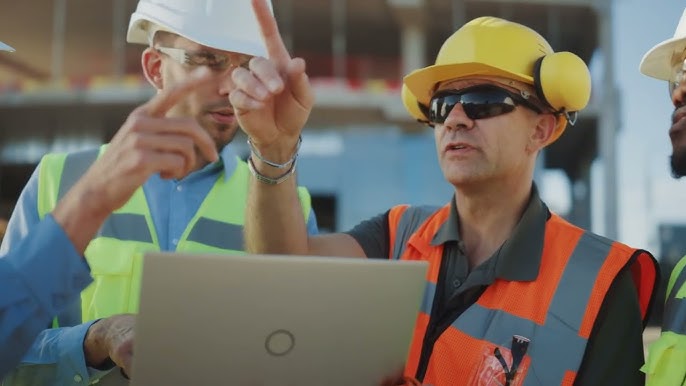
Modern remediation projects benefit from advanced technologies that improve treatment precision and operational efficiency. Integrating suitable engineering methods allows specialists to address different environmental challenges while maintaining project flexibility.
These innovative approaches support practical implementation and encourage effective use of available resources.
- In-Situ Treatment: Supports remediation directly within affected environmental materials.
- Ex-Situ Treatment: Allows contaminated materials to receive controlled treatment outside their original location.
- Advanced Filtration: Helps separate unwanted substances from affected environmental materials.
- Targeted Treatment Systems: Focuses remediation efforts on identified environmental requirements.
- Performance Evaluation: Helps determine whether selected technologies are meeting project objectives.
Promoting Sustainable Environmental Management
Customized remediation solutions contribute to responsible environmental management by supporting restoration, resource conservation, and long-term land usability. Thoughtful planning helps balance cleanup objectives with sustainable development priorities.
These approaches also encourage environmental responsibility throughout different stages of property improvement.
- Encourages healthier surroundings and improved environmental conditions.
- Supports responsible land reuse and productive property development.
- Promotes efficient resource utilization during cleanup activities.
- Helps protect surrounding ecosystems and natural resources.
- Provides adaptable strategies for changing project requirements.
Creating Lasting Value Through Customized Remediation
Effective environmental cleanup begins with understanding individual site requirements and selecting suitable treatment solutions. Customized remediation plans combine professional assessments, innovative technologies, and continuous monitoring to support successful restoration outcomes. Property owners and project managers can https://www.fullterra.com/environmental-remediation/ to explore additional environmental remediation information. Investing in tailored cleanup strategies encourages sustainable development, healthier ecosystems, and lasting environmental protection.